Is Building a Container Home on the Camas Prairie Right for You? A Step-by-Step Guide to DIY Construction
- Christi Brown

- Jan 31
- 3 min read
Building a container home can be an exciting and creative way to shape your living space while reducing your environmental footprint. The Camas Prairie, with its stunning views and peaceful surroundings, offers a perfect setting for such a project. But are container homes really as complicated and costly as they appear? This guide will explore the challenges and advantages of constructing a container home on the Camas Prairie, assess the feasibility of going the DIY route, and offer practical tips to get started.
Understanding Container Homes
Container homes are made from repurposed shipping containers and have gained popularity for their affordability, adaptability, and unique aesthetic. The process involves converting these durable metal boxes into functional living spaces. With picturesque views and open land on the Camas Prairie, container homes can truly shine in such an environment.
Container homes can be designed as standalone units or combined for more expansive structures. Customization is another significant advantage, allowing homeowners to tailor their living spaces to their preferences and lifestyles. For example, one homeowner may opt for a two-container unit, maximizing space for a family, while another might prefer an open concept in a single container.

Are Container Homes Expensive?
Many prospective homeowners initially wonder if container homes are costly to build. Prices can vary significantly based on a range of choices and preferences. Key factors to consider are:
Container Costs: Generally, the price of a shipping container ranges from $1,500 to $5,000, depending on size and condition. For instance, a new 40-foot high-cube container may cost around $4,500, while a used one could be as low as $2,000.
Land Preparation: The Camas Prairie’s terrain may need considerable preparation, including excavation and grading, which can increase overall costs. Depending on the site, this could range from $1,200 to $8,000.
Insulation and Finishes: Quality insulation is vital for comfort and energy efficiency. Costs for insulation can run between $2,000 and $8,000. Additionally, plumbing, electrical work, windows, and interior finishes could easily add another $10,000 or more to your budget.
Container homes can be less expensive than traditional houses, but careful budgeting is crucial. Be aware that costs can rise quickly based on personal customization and site conditions.

DIY Your Container Home – Is It Possible?
The potential for DIY construction often attracts people to container homes. However, building your own container home demands adequate preparation, planning, and various skills.
Assess Your Skills
Before starting your DIY project, take stock of your strengths in construction, design, and project management. While many construction tasks can be learned, certain jobs—like electrical installations and plumbing—might need permits and professional expertise.
Planning and Design
Think clearly about what you want from your container home. A detailed plan should include:
Layout and Design: A common option is using two containers side by side for added space, which could allow for two bedrooms or a spacious living area.
Budget Breakdown: Allocate funds for each component, including containers, land prep, and utilities.
Location and Orientation: Consider how sunlight and wind direction will affect your home's energy efficiency and comfort.
A well-structured plan will not only make construction smoother but also help avoid costly mistakes.
Gather Materials
Once you have your plan, compile a list of needed materials. Besides shipping containers, gather insulation, flooring materials, plumbing fittings, electrical supplies, and exterior finishes. Check with local suppliers for competitive pricing.

Build and Document Progress
Start with site preparation and positioning your containers. Keep a detailed record of the construction process. This not only helps you stay organized but also documents your unique DIY journey.
Be sure to adhere to local building codes and regulations, ensuring your home is safe and compliant. Expect some challenges along the way, but a flexible approach will help you manage them effectively.
Final Thoughts


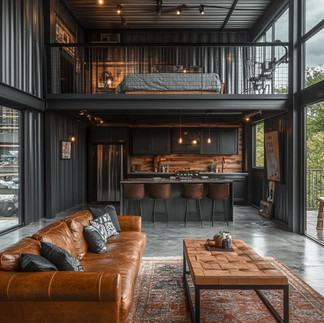


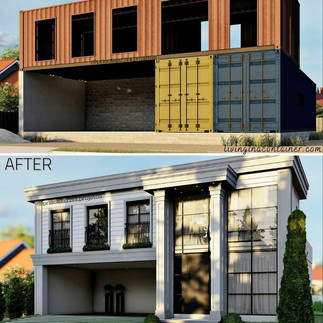


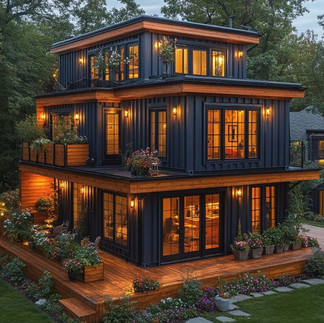


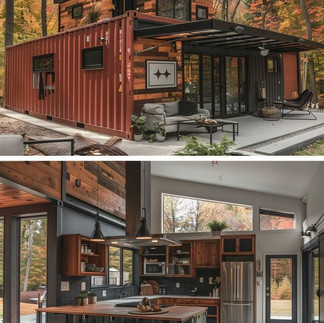


Building a container home on the Camas Prairie presents an exciting opportunity to create a unique residence that showcases your personal taste. Although the overall costs and challenges may appear daunting, the benefits can be substantial in the long run. Taking on a DIY container home project can be incredibly fulfilling but requires thorough planning and dedication.
If you are on the lookout for the perfect land for your future container home, consider connecting with me, Christi Brown at Silvercreek Realty Group. With the right support, you can turn your vision into reality, enjoying a stunning new home that fits beautifully into the landscapes of the Camas Prairie.
While the path to building your container home may have its challenges, with the right mindset and resources, you can create a comfortable and sustainable living space designed just for you.


Comments